Conclusion
How is OPEC going to affect us now?
In the 1973 oil embargo OPEC reached the height of its power in the global oil market. It literally controlled American prices at the pump. From there, its power fell.This is because in the 1980’s there was a glut of oil (more supply than demand). Therefore, OPEC was forced to sell oil at less than its desired price,making their revenues fall. As the revenues fell the OPEC countries tried producing more and more oil to increase revenue, which caused prices to fall further. Leading up to the Gulf War, Saddam Hussein pushed the oil price up. Next, he decided to invade Kuwait, starting the Gulf War. This led to sanctions on Iraq enforced by U.N. . Revenues now fell for OPEC.In the late 1990’s the president of Venezuela - Hugo Chavez slowed down the production of Venezuelan oil to preserve its supplies. Oil barrels then cost $15 a barrel. In 2001 following the 9/11 attack America invaded Iraq and Afghanistan forcing OPEC countries to raise their prices even higher to $23 dollars a barrel. The Supply of oil dwindled, but the demand rose, the prices of oil went from $27 (2003) to $ 91 (2008). Since then America began looking for new sources of oil, and energy from non OPEC countries. One example of this is Natural Gas. America is abundant in natural gas and uses more of it. Several American companies even took advantage of the situation that OPEC countries were losing market share and control on price . Then the demand for oil dropped to $53 (2009). Also in late 2009 the american recession started damaging its economy, and consequently raising oil prices, close to the 2003 average, to $87 a barrel.
In the 1973 oil embargo OPEC reached the height of its power in the global oil market. It literally controlled American prices at the pump. From there, its power fell.This is because in the 1980’s there was a glut of oil (more supply than demand). Therefore, OPEC was forced to sell oil at less than its desired price,making their revenues fall. As the revenues fell the OPEC countries tried producing more and more oil to increase revenue, which caused prices to fall further. Leading up to the Gulf War, Saddam Hussein pushed the oil price up. Next, he decided to invade Kuwait, starting the Gulf War. This led to sanctions on Iraq enforced by U.N. . Revenues now fell for OPEC.In the late 1990’s the president of Venezuela - Hugo Chavez slowed down the production of Venezuelan oil to preserve its supplies. Oil barrels then cost $15 a barrel. In 2001 following the 9/11 attack America invaded Iraq and Afghanistan forcing OPEC countries to raise their prices even higher to $23 dollars a barrel. The Supply of oil dwindled, but the demand rose, the prices of oil went from $27 (2003) to $ 91 (2008). Since then America began looking for new sources of oil, and energy from non OPEC countries. One example of this is Natural Gas. America is abundant in natural gas and uses more of it. Several American companies even took advantage of the situation that OPEC countries were losing market share and control on price . Then the demand for oil dropped to $53 (2009). Also in late 2009 the american recession started damaging its economy, and consequently raising oil prices, close to the 2003 average, to $87 a barrel.
“Instead of begging OPEC to drop its oil prices, let's use American leadership and ingenuity to solve our own energy problems.”
-- Pete Domenici (New Mexico senator)
“Natural gas is hemispheric. I like to call it hemispheric in nature because it is a product that we can find in our neighborhoods"
--George W. Bush
 This 1985 ford F-150 has 15 mpg (highway) |
 This 2012 Chevy volt has 40 mpg (highway) |
OPEC's ability to control the price of oil has diminished somewhat since then, due to the subsequent discovery and development of large oil reserves in Alaska, the North Sea, Canada, Russia and the Gulf of Mexico. Nowadays america and other OPEC relying countries are trying to find new and alternate sources of energy, like natural gas.
"Today, President Obama is making smart investments in clean energy - wind, solar, biofuels - as part of an all-of-the-above energy strategy that supports thousands of jobs, not in the Middle East, but in the Midwest."
--Tom Vilsak
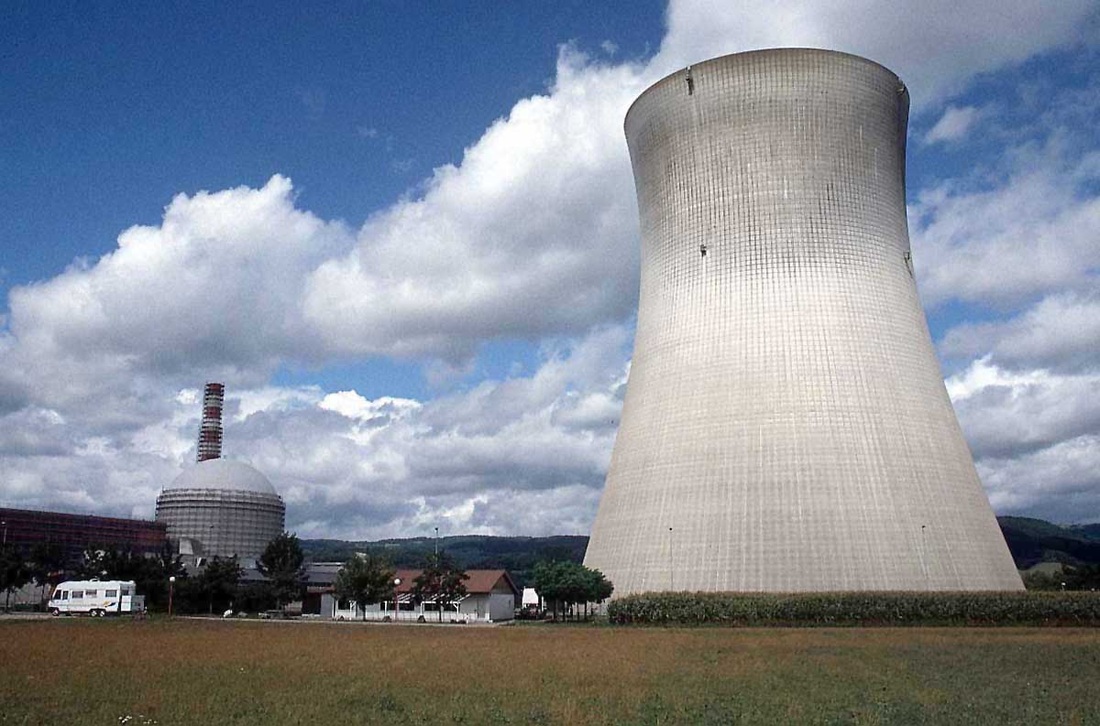
This is an image of nuclear energy. Nuclear energy uses fission to create energy. Although highly controversial it is still a popular method of energy in countries like Japan.
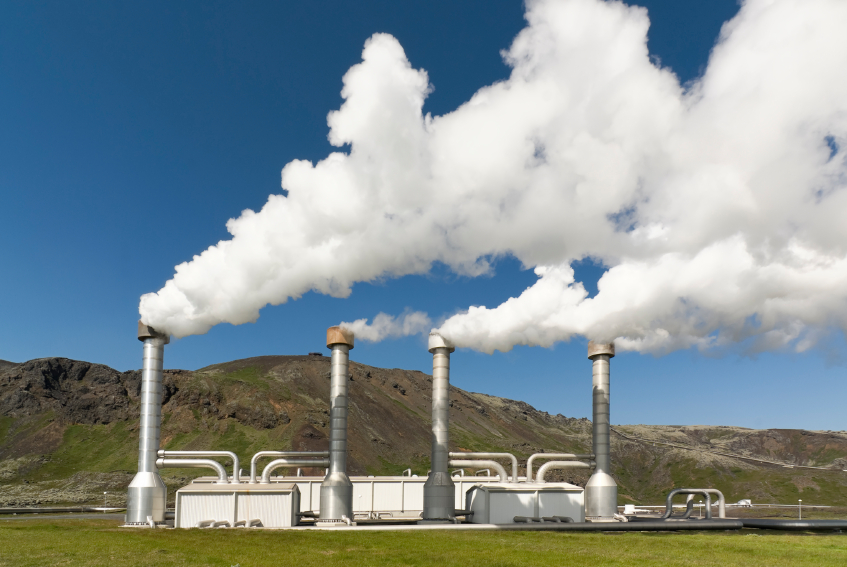
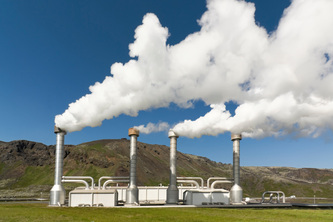
This is geothermal energy. Geothermal energy uses hot spots in the earths crust, like geysers, and makes them into energy. It is used in countries like Iceland.
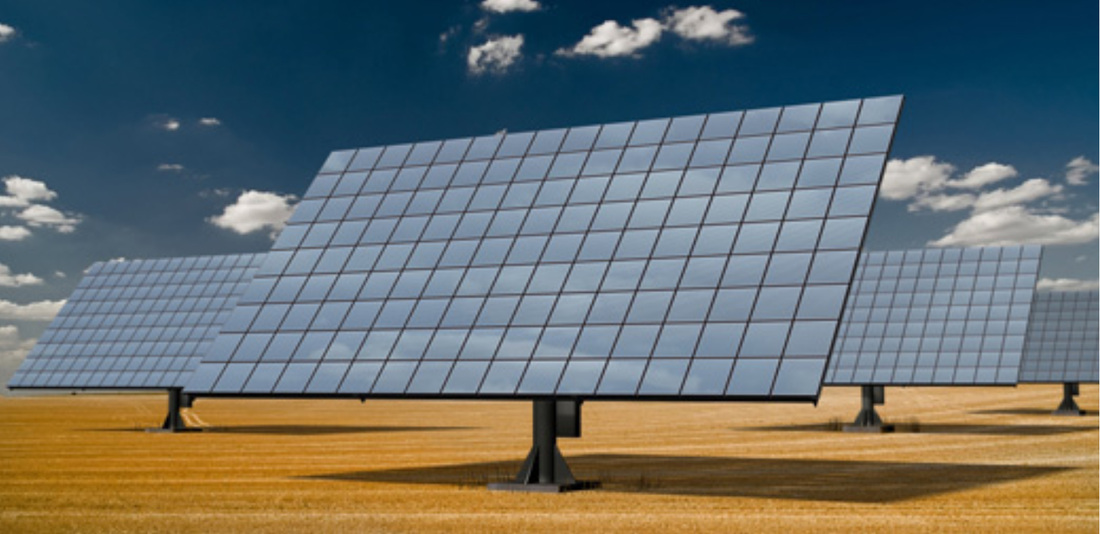
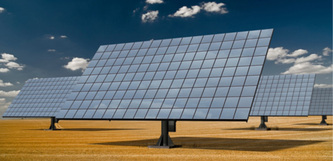
This is solar energy. It transforms the suns light into energy. It is used in countries like U.S.A. In america solar energy is often encouraged by the government.
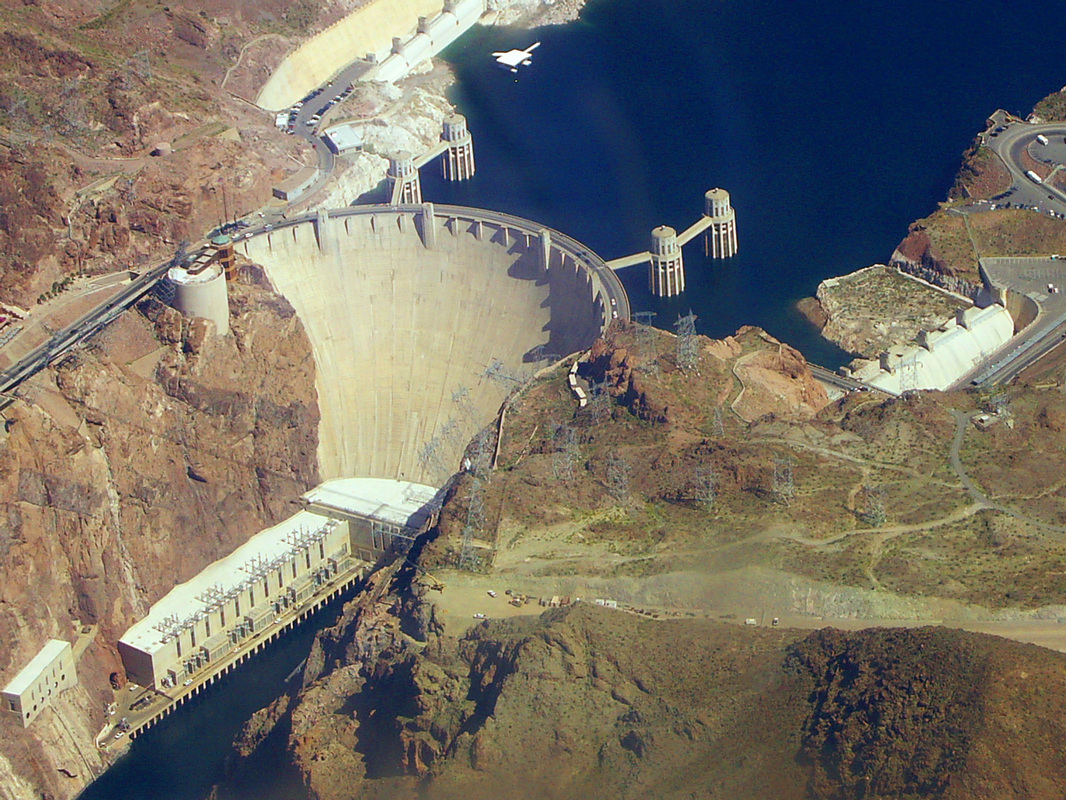
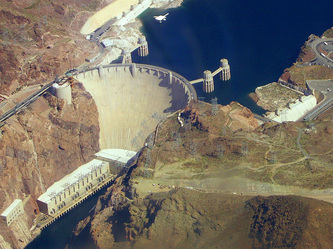
This is a picture of Hoover dam (hydro- electric power). It transforms water into energy. It is the largest source of renewable energy in the U.S.
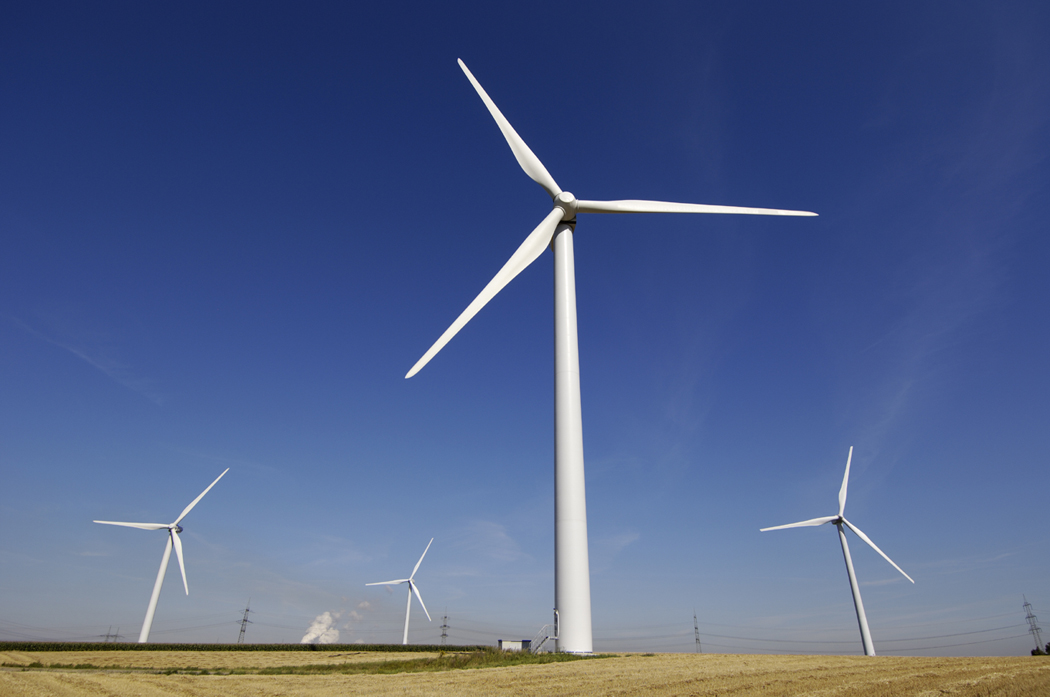
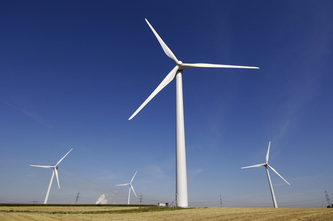
This is a picture of a wind turbine. It is a popular method of energy in countries like Denmark.
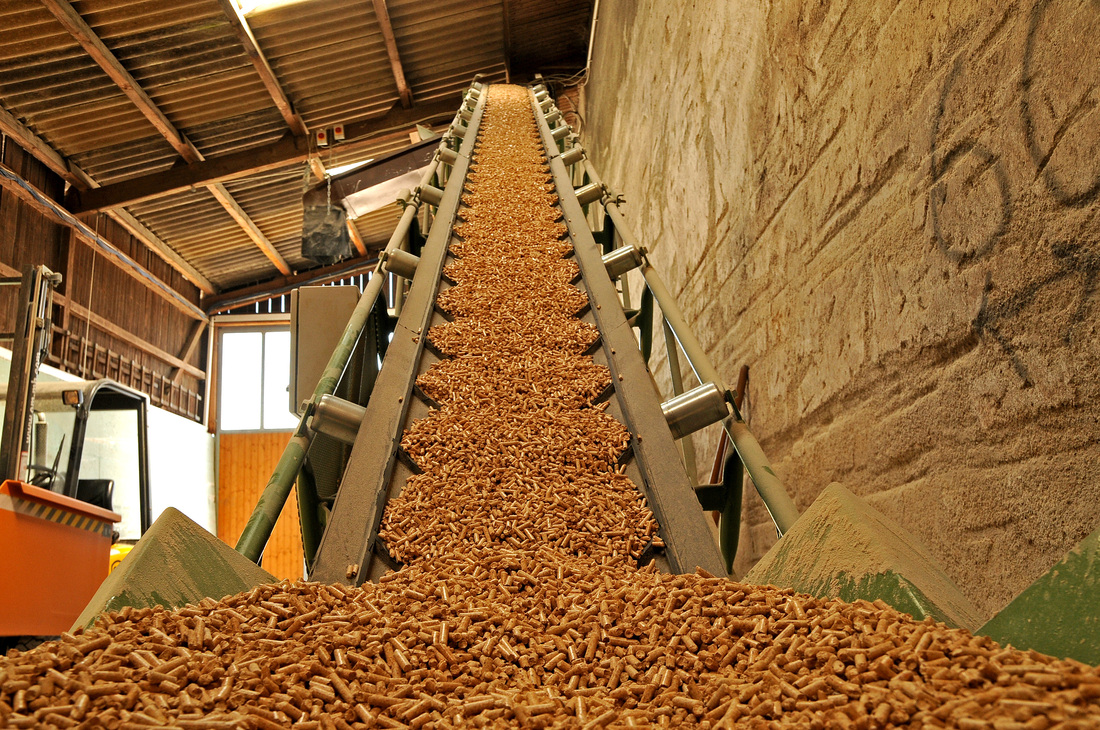
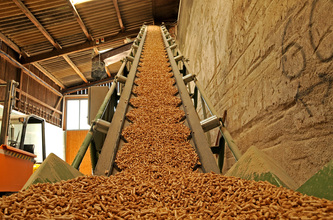
This is biomass. It makes dead plants into energy. It is used in countries like the U.K.
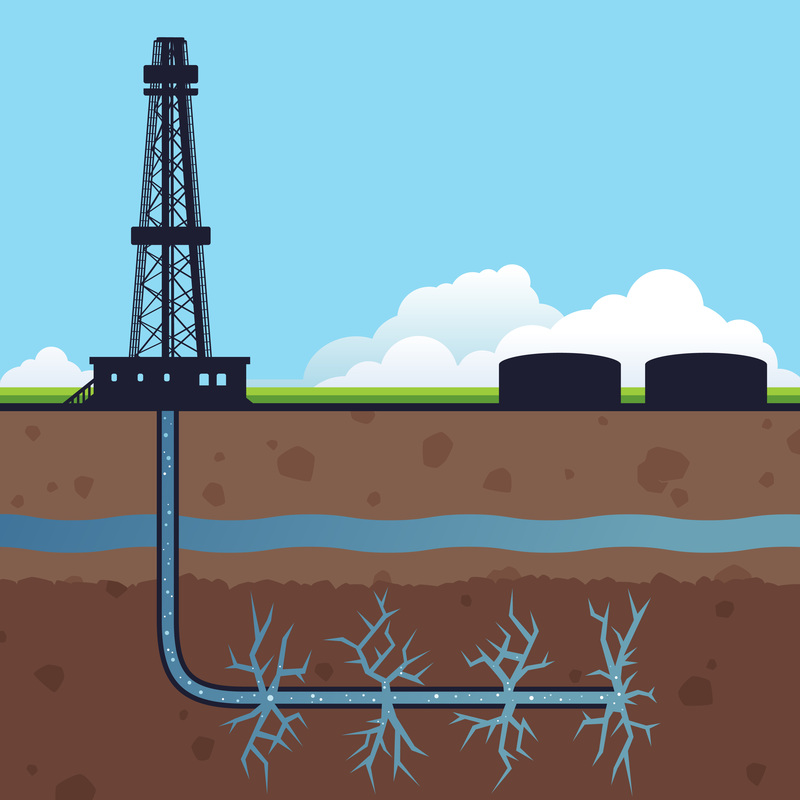
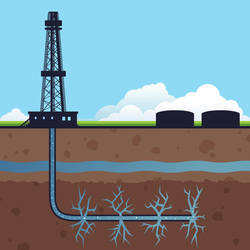
Hydraulic fracturing (fracking) is a popular method of getting energy.
1 / 7
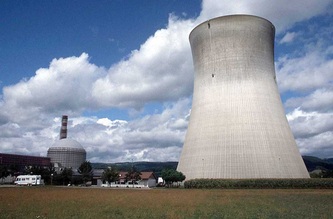
The New Face of OPEC
Celebrating its 50th anniversary in 2010 OPEC promises to learn from their mistakes, and have made OFID (OPEC Fund for International Development). So far they have lived up to their expectations, but we can never truly tell what the future holds for us.
"The idea is to insure the basic living needs of developing countries regardless of race or religion"
-- Suleiman J. Al-Herbish (OFID director)
 Previous page | Next page |